From the attic of Cpl. Arthur M. Yena · West Warwick, Rhode Island · 1941–1946
Dear Pop
Three hundred letters waited sixty years in his own attic.
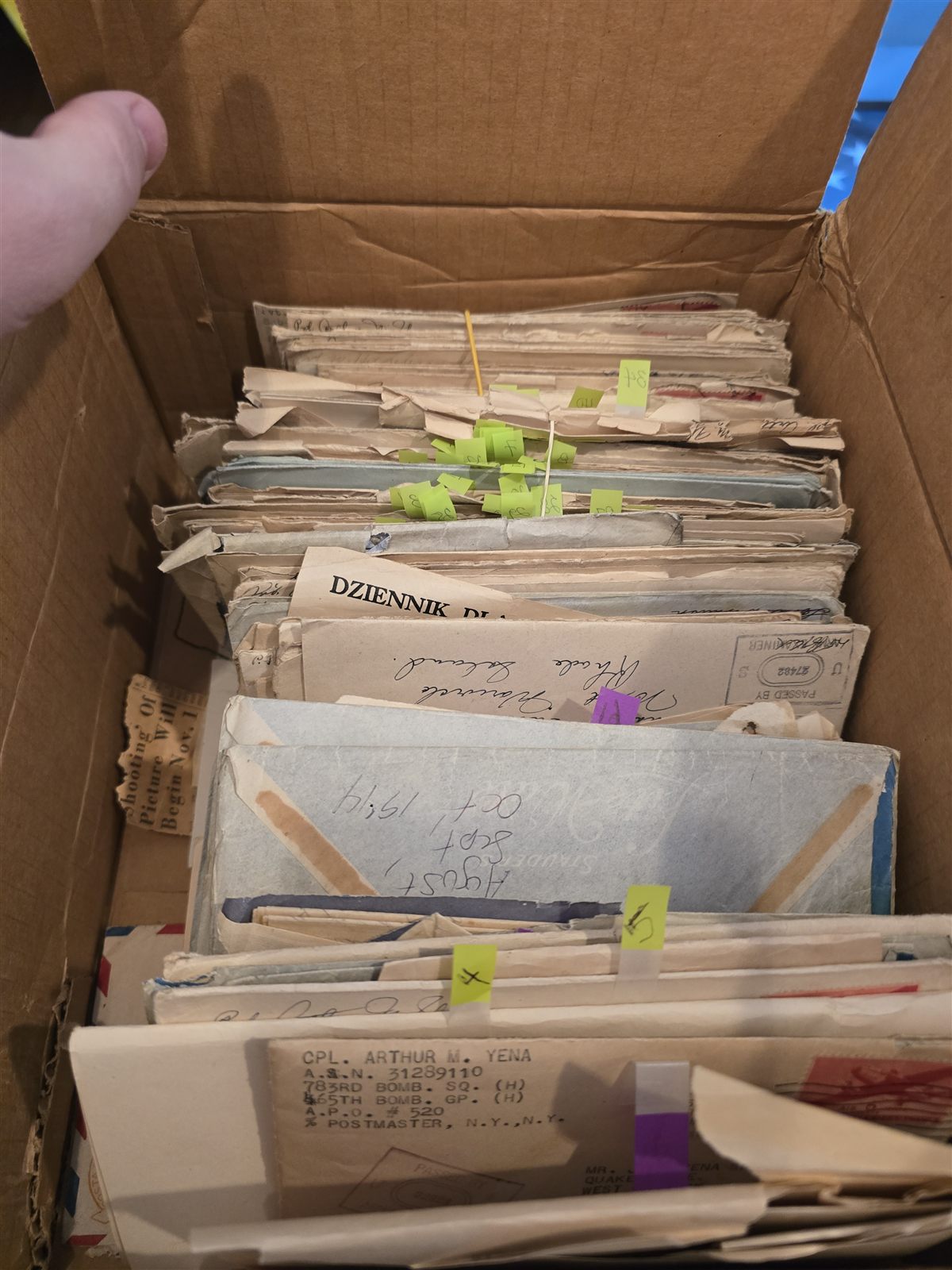
This is the box they waited in.
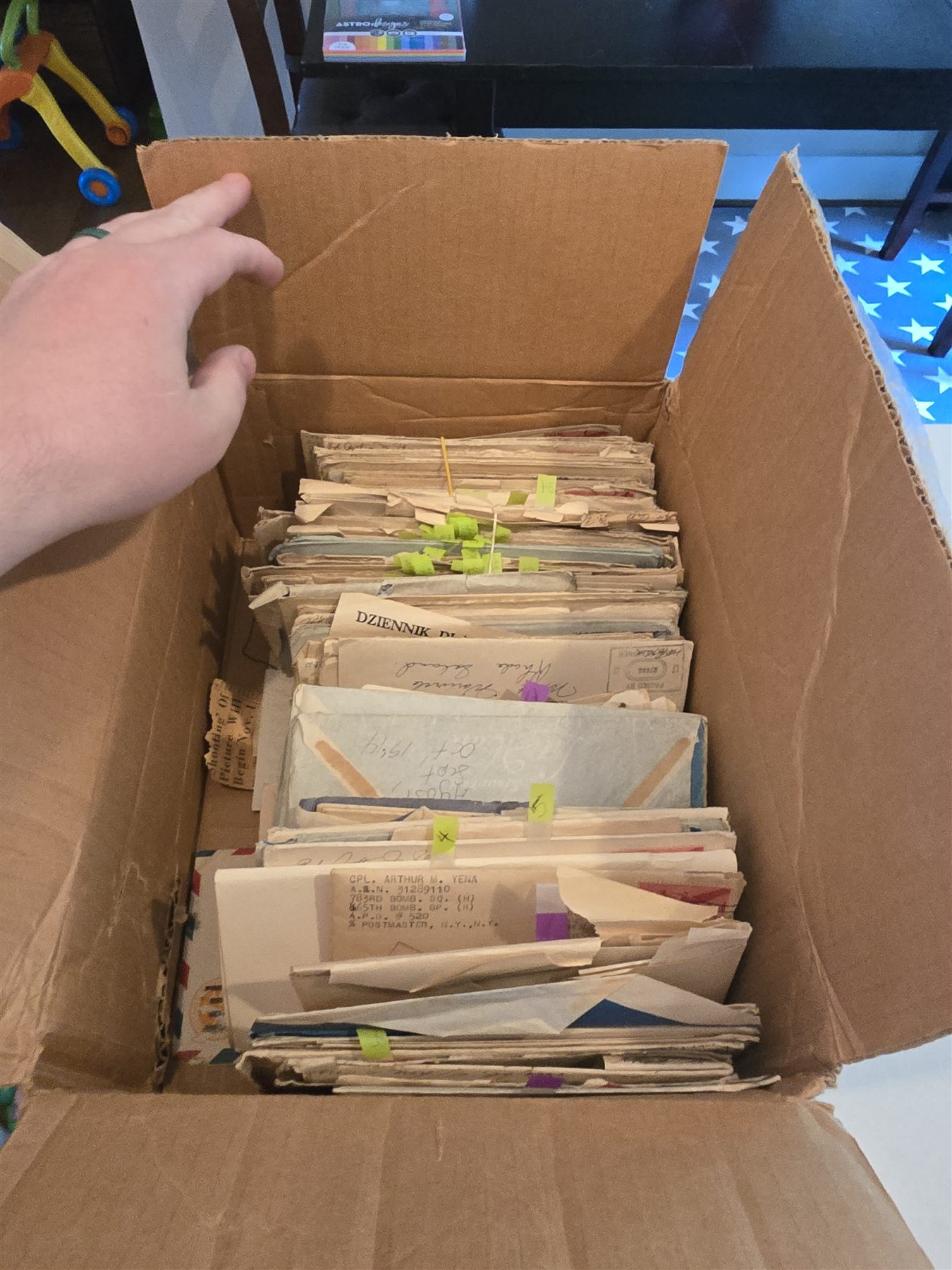
“After this war you and I will have to write a book based on what we are learning now eh what?”
Arthur to his sister Anna · 19 March 1943
He asked for this book. We're writing it.
The collection
What the box holds
They sat sixty years above the rooms he lived in. We are opening them one at a time — scanning, transcribing, and listening.
One hundred eleven of roughly three hundred letters transcribed · 37.0% · the rest are still in the box
How this site works
Open one
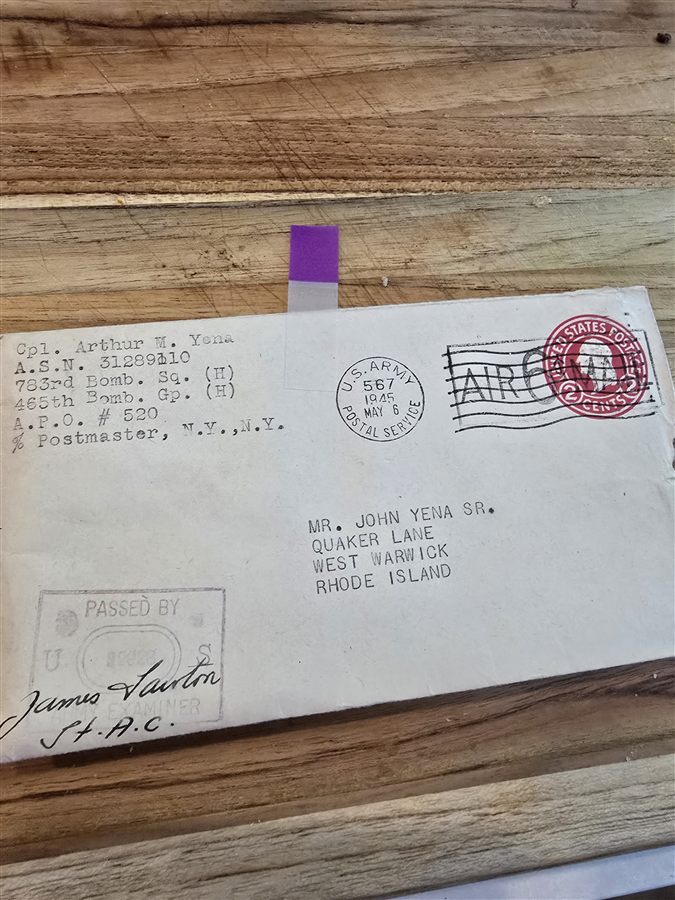
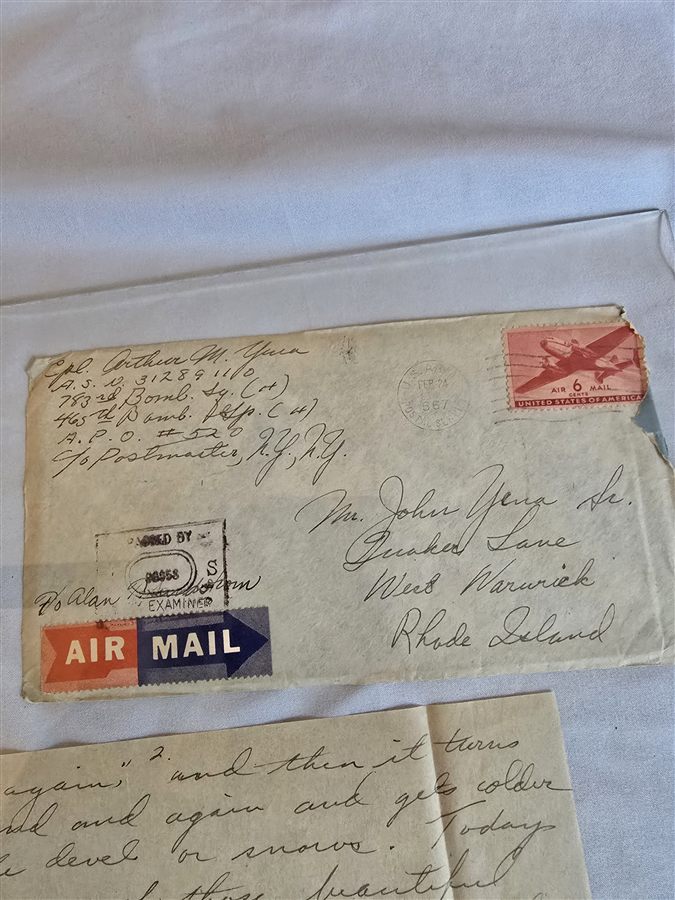
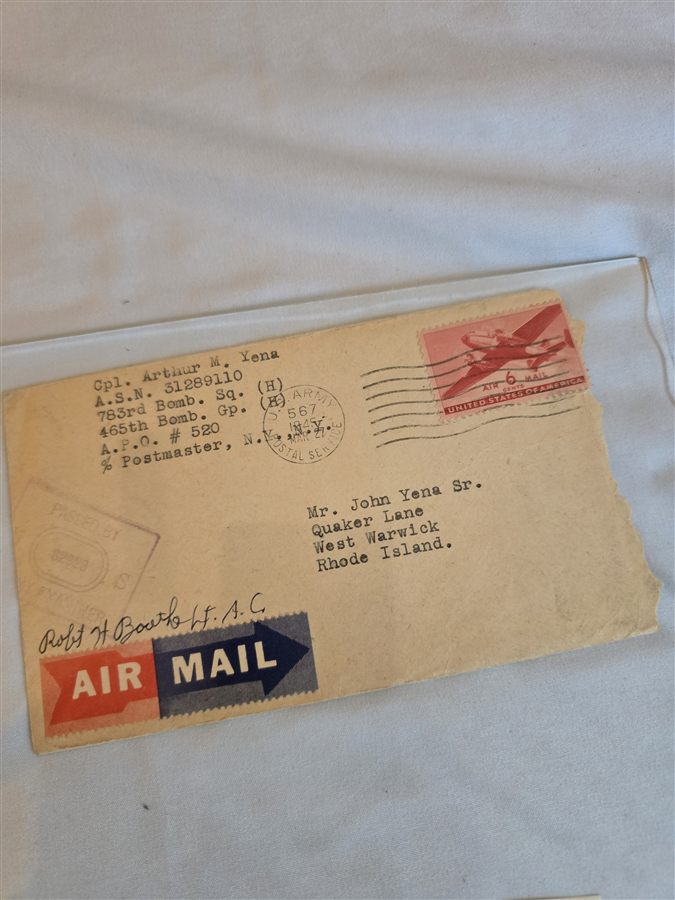
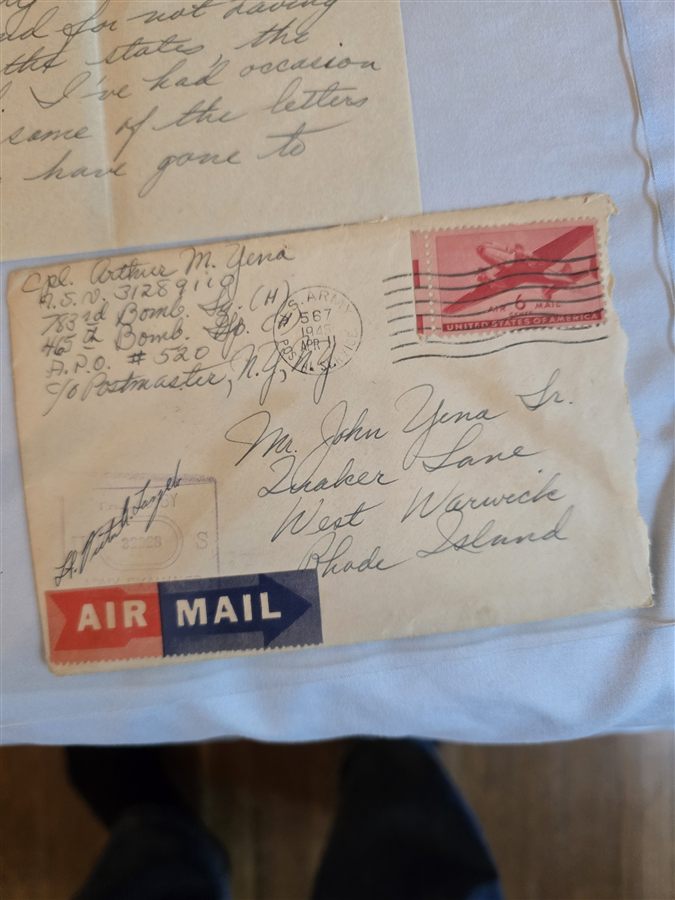
Every envelope on this page is the real thing, photographed from the box. This is the first letter he wrote home with words inside it — four days after the Army moved him into a Miami Beach hotel. Go ahead.
10 February 1943 · to Mom and everybody · Basic Training Center No. 9, Miami Beach
“It's really beautiful here. About 10 yards in back of our hotel is the beach, nice and cool.”Read the whole letter
“I've been in the Army about a week and a half now and it seems about a year and a half.”
Private Yena, eighteen years old, billeted in a commandeered oceanfront hotel — written at 8:30 PM, before early lights-out.
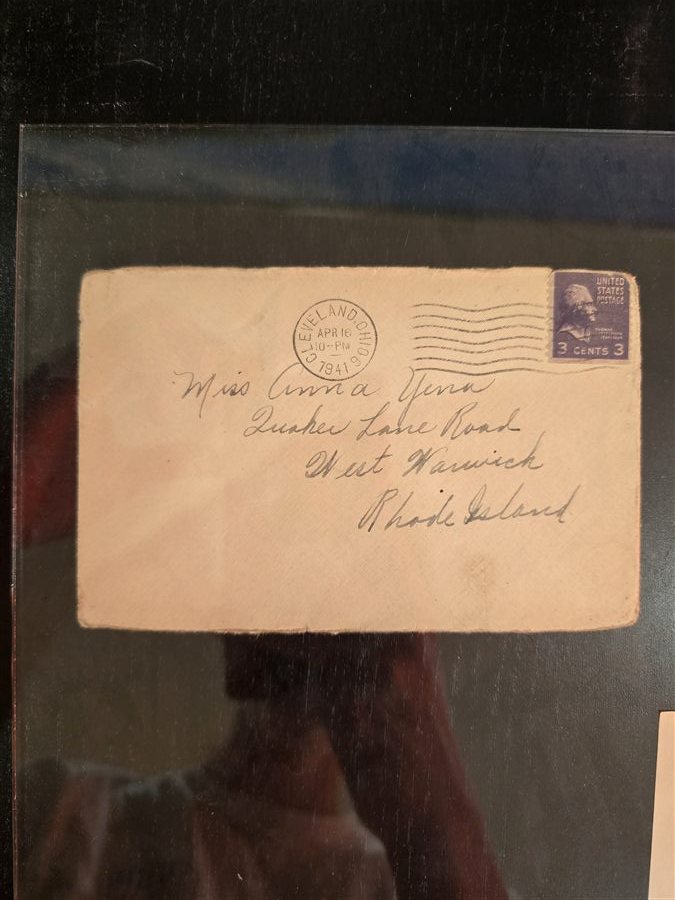
“I don't understand who sent Sandra the Easter bunny but will you thank who ever sent it, very much for me. The baby was crazy about it.”Grace Trem to Anna · the earliest item in the box
Eight months before Pearl Harbor: a family friend's thank-you note for a mystery Easter bunny mailed from the Yena household on Quaker Lane. Not Arthur's voice — but his world, the one all the rest of these letters ache for.
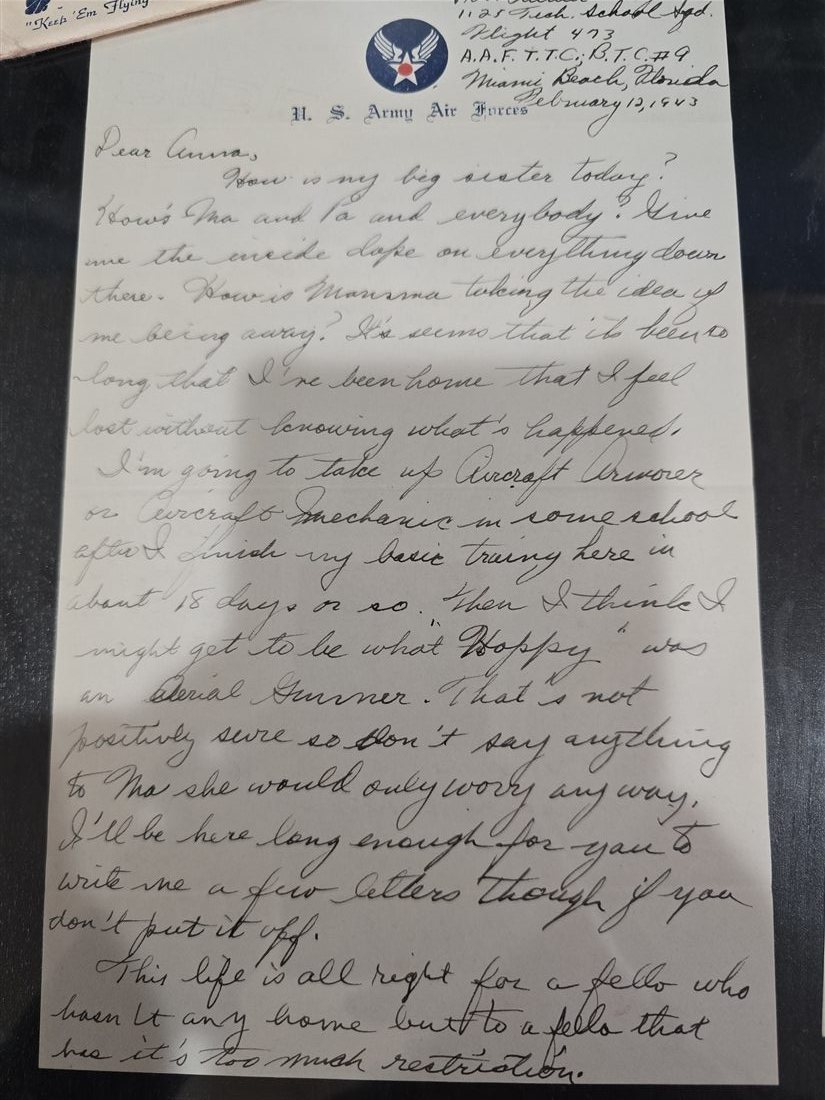
“This life is all right for a fellow who hasn't any home but to a fellow that has it's too much restriction.”to Anna · 12 Feb 1943
“Then I think I might get to be what "Hoppy" was, an aerial gunner. That's not positively sure so don't say anything to Ma she would only worry anyway.”the secret ambition · same letter
Day six of basic training: a plan to fly like the hometown hero “Hoppy” — sworn to secrecy so Ma wouldn't worry. Hold that thought; the Army is about to have other ideas.
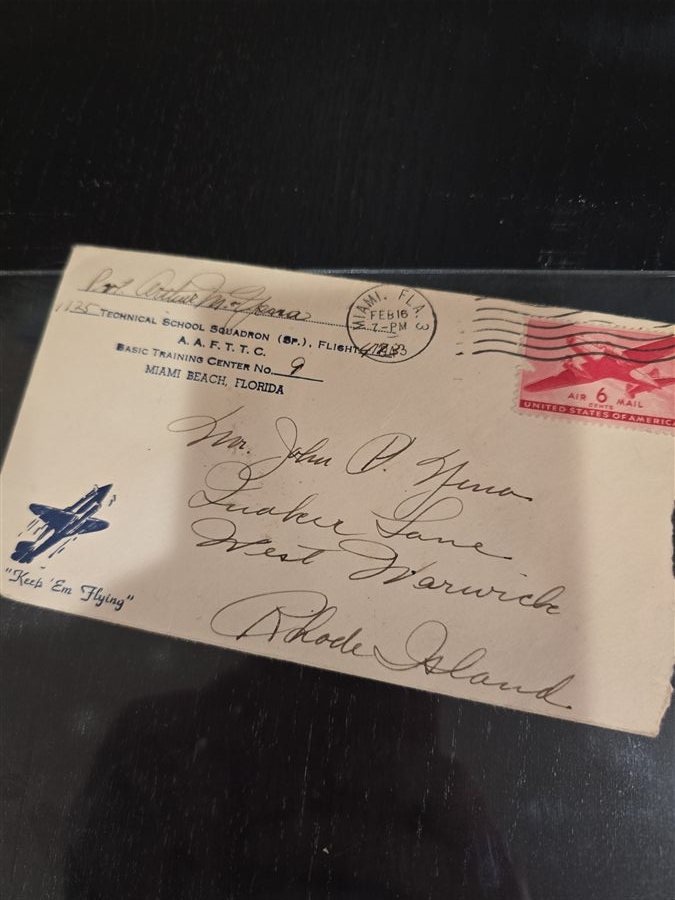
“You probably have more to take care of at home besides sending me $5. Really I don't need it. Thanks and all that for this one, but don't dare do it again!”to his brother Johnny · 15 Feb 1943
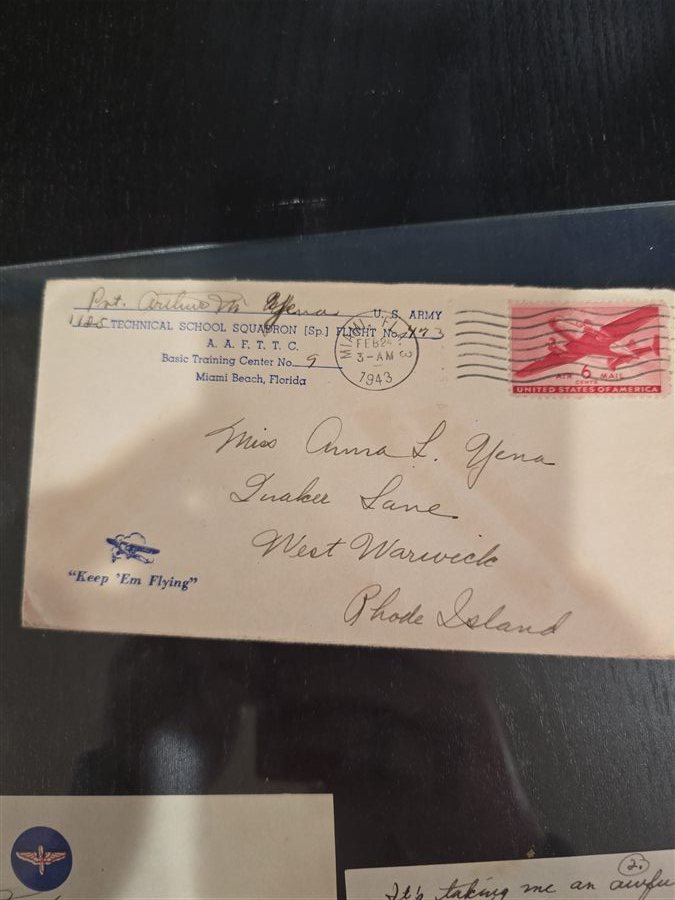
“Tell Ma I'm tickled that she has that star hung up for me. When I get back I frame it.”to Anna · 22 Feb 1943
Ma hung a blue service star in the window at Quaker Lane. Keep an eye on the edge of this page — the star stays up for the whole war.
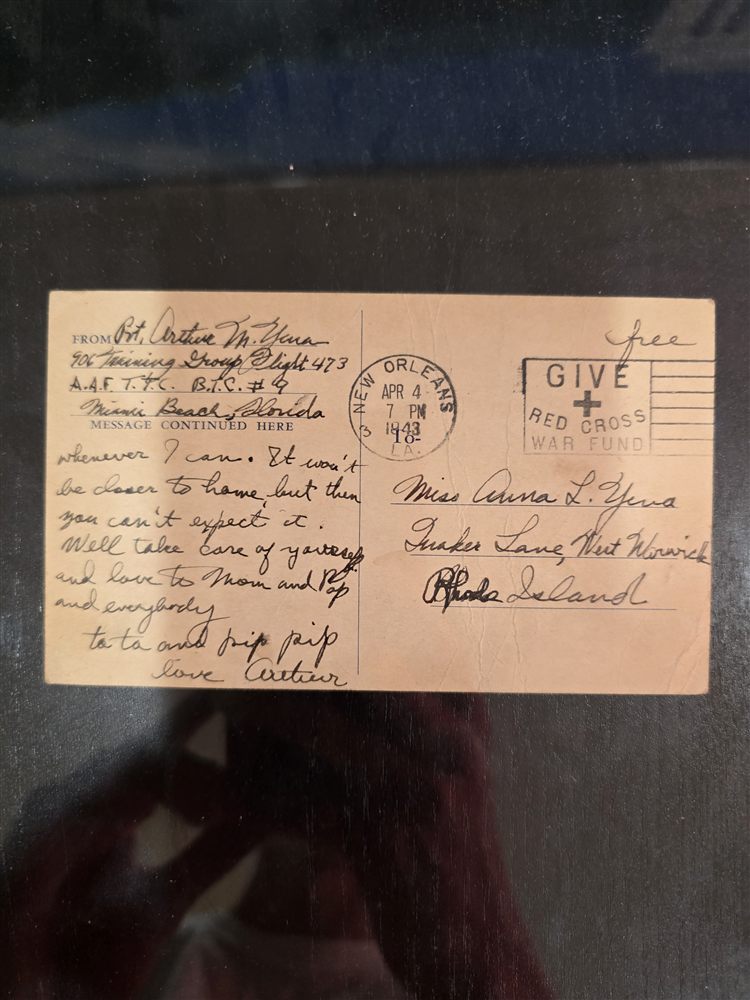
“We are on a Pullman with dining car and all. Pretty class eh what? Pardon the writing it is tough when the train is in motion.”postcard, 4 Apr 1943 · the shaky hand is the train
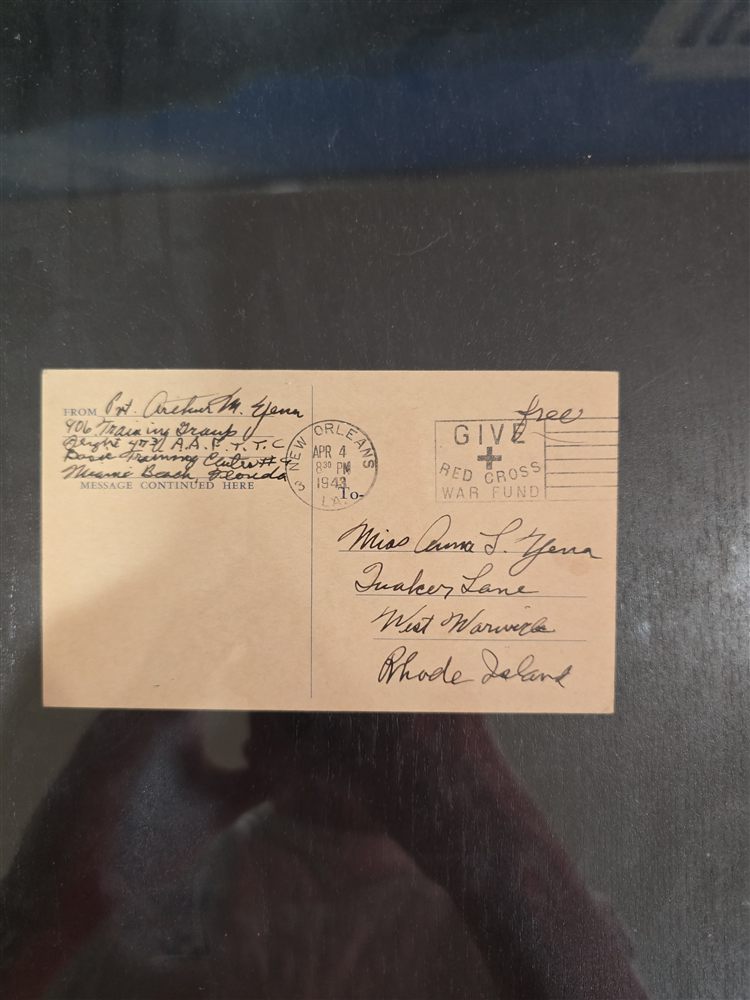
“Yesterday we ate breakfast at a restaurant in Jacksonville, Florida and supper at Montgomery, Alabama, also in a pretty slick restaurant. This is when you get to like the Army.”postcard, 4 Apr 1943
“Well I'm finally here in Kingman, Arizona a lonely desolate, flat vally with mountains all around.”to Anna · 8 Apr 1943 · gunnery school
spelled exactly as he wrote it — this site never corrects him.
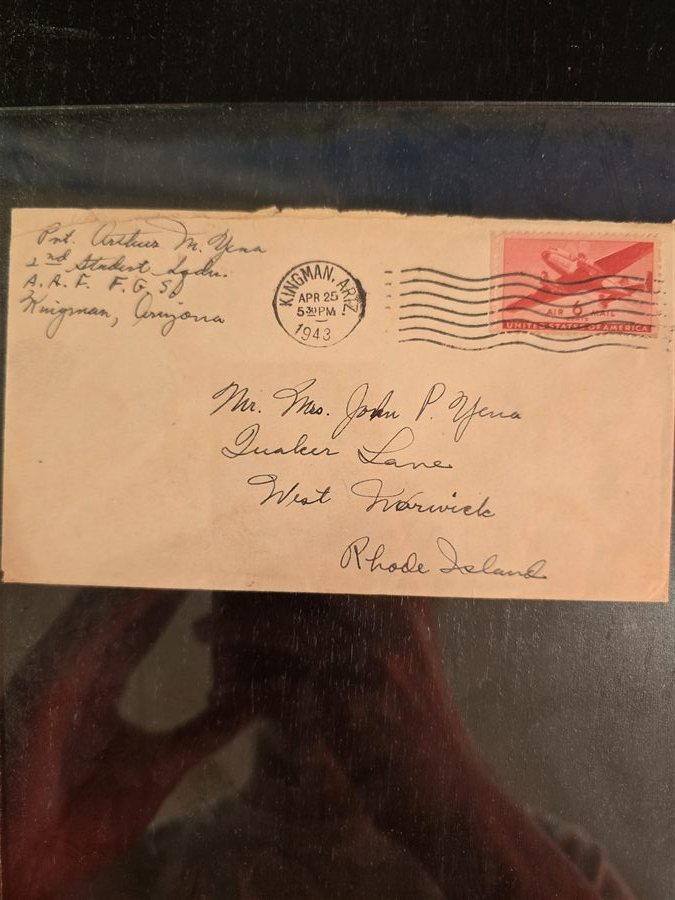
“I was supposed to go to school here for 6 weeks and learn to be an Aerial Gunner, but I guess my eyes arn't quite good enough.”to Kathleen · 22 Apr 1943 · the wash-out
“Gee whiz I'll bet if there was room Ma would put a whole stove in the box.”same letter · on Ma's care package
“I don't think Ma will have to worry about that gunnery any more since I didn't make it on account of my eyes.”to Anna · 26 Apr 1943
His eyes tested 20/30. The Army wanted 20/20. The dream of flying ended in an optometrist's chair — and his first thought was making sure Ma wouldn't worry.
Salt Lake City · 2 May 1943 · written on leftover Kingman letterhead
“In any case I won't go East. Well that's that Ah what? I'll really be a Westerner won't I?”to Anna · 2 May 1943 · the turn
A boy who couldn't type, typed into history. He has no idea this sentence will define the rest of his war.
1 June 1943 · to his father
“In a couple of weeks if I pass the Intelligence course starting next Monday, I'll be assigned to a Bombardment Gp. as a cryptographer or code-man.”fingerprinted & photographed that same day
1 June 1943 · to his sister
“I get to one place, make friends and then get shipped to another place and it goes on like that all the time. That's why sometimes you get sorta blue and other times you don't mind things that happen.”the same day · the lonelier half
The same day, two letters: the news went to his father; the loneliness went to his sister.
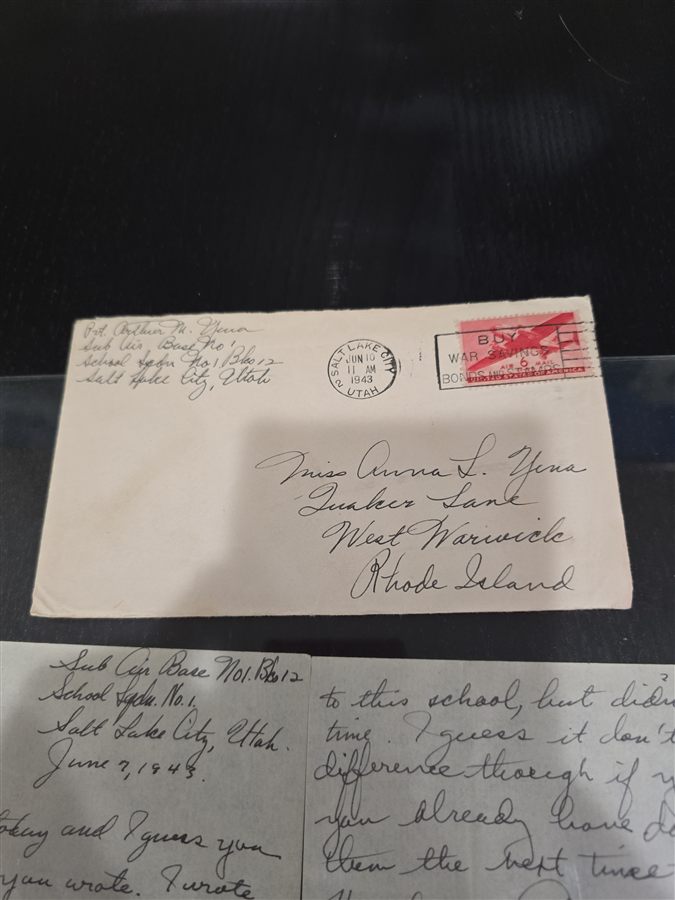
“I won't be able to tell you anything at all about what, how, when, and where I'm doing hereafter. It wouldn't make much sense to you anyway.”to Anna · 7 June 1943 · the oath of silence
The morning the Cryptography Course began, the silence began with it. The bars stay down until 1945 — remember them.
“I graduated from this school with a 92% average. That rates a graduation with honors.”to Anna · 18 June 1943 · eleven days later
“I can smell Mama cooking all the way from here.”Sawtelle station hospital, California · 9 Jul 1943
“The letter that the manager from the A & P got was probably the check up he said they had to make previous to getting in this Cryptography course.”14 Jul 1943 · the FBI reaches the West Warwick A&P
“I'm still taking up that code and so far am on 6 words a minute.”Davis-Monthan Field, Tucson · 4 Sep 1943 · the earliest code work in the letters
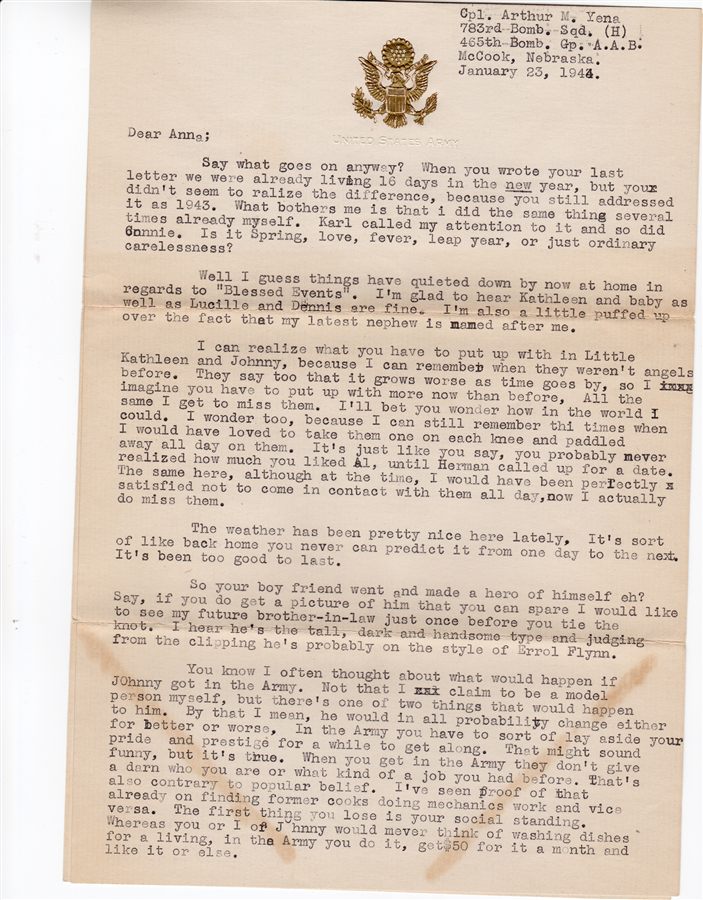
“Is it Spring, love, fever, leap year, or just ordinary carelessness?”McCook, Nebraska · 23 Jan 1944 · ribbing Anne for dating her letters “1943”
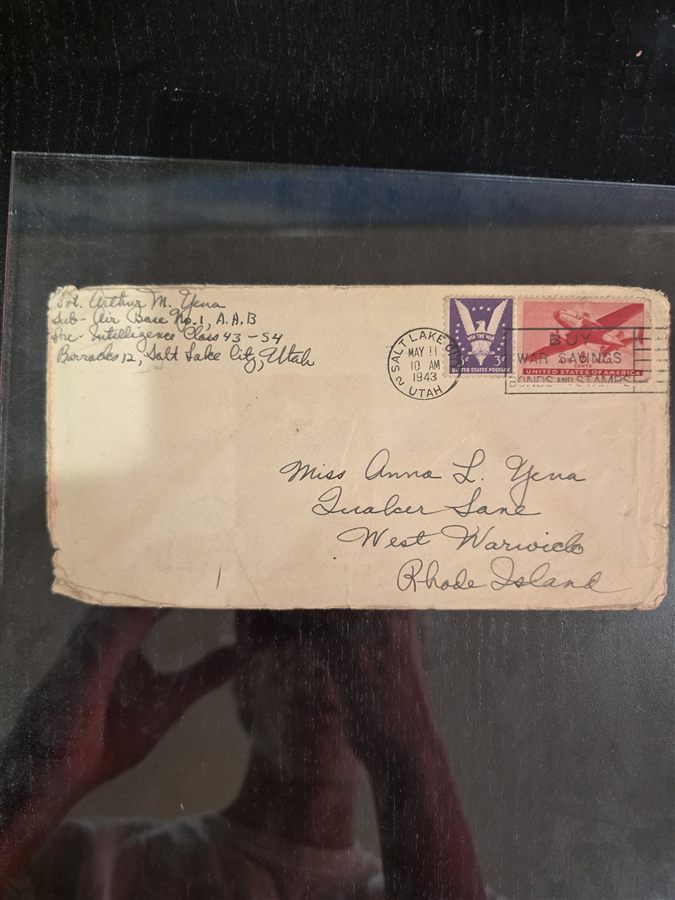
“Well, when I started I figured I'd have a lot to write about, but now that I've written a little and thought over what I can write and can't write, I guess I've said about everything so I'll close.”14 Feb 1944 · first weeks under the 783rd's overseas address
An archive story, kept honest: this letter sits in a mismatched envelope postmarked Salt Lake City, May 1943 — so the file carries the envelope's date while the letter itself is February 1944. “What I can write and can't write” is the new overseas cryptographer weighing the censor before committing anything to paper.
“I'm still kicking pretty ruggedly myself and the rest of the boys in the tent are the same.”to Pop · 24 Jun 1944 · settled with the 465th in Italy
“When I left Salt Lake City I was doing about 25 words a minute now I'm doing about 40.”same letter · bragging to his father about the job's core skill
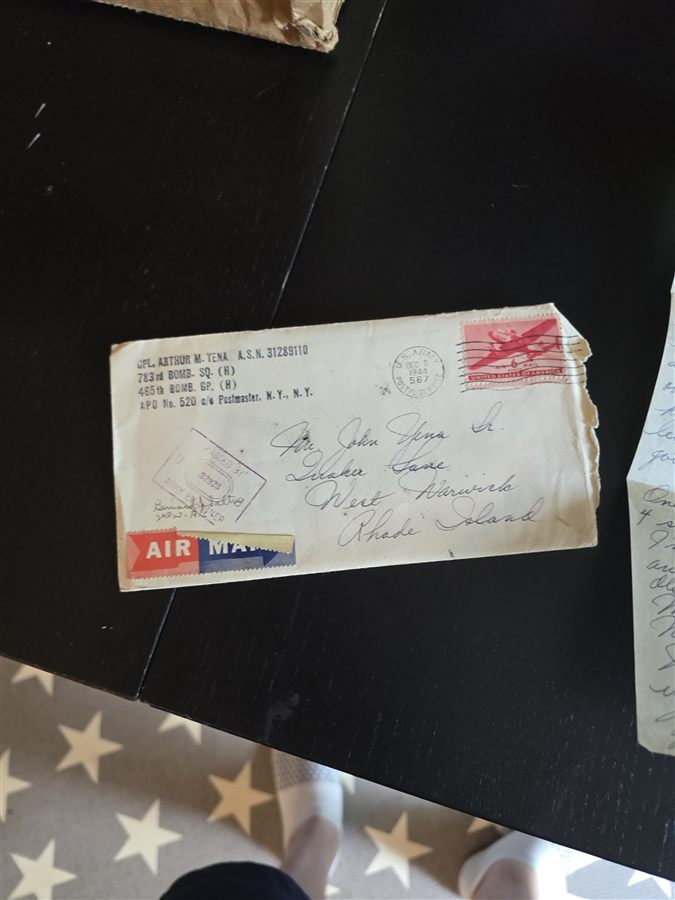
First surviving letter from Italy · written about 8 minutes past midnight
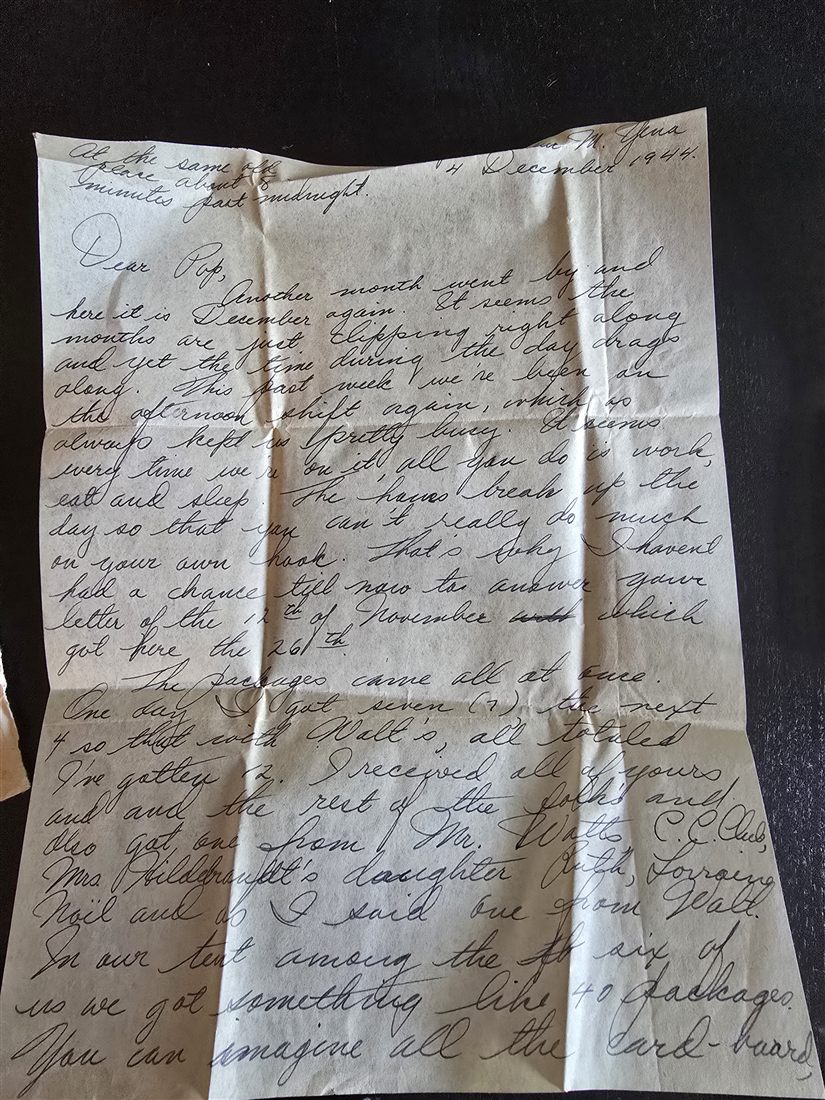
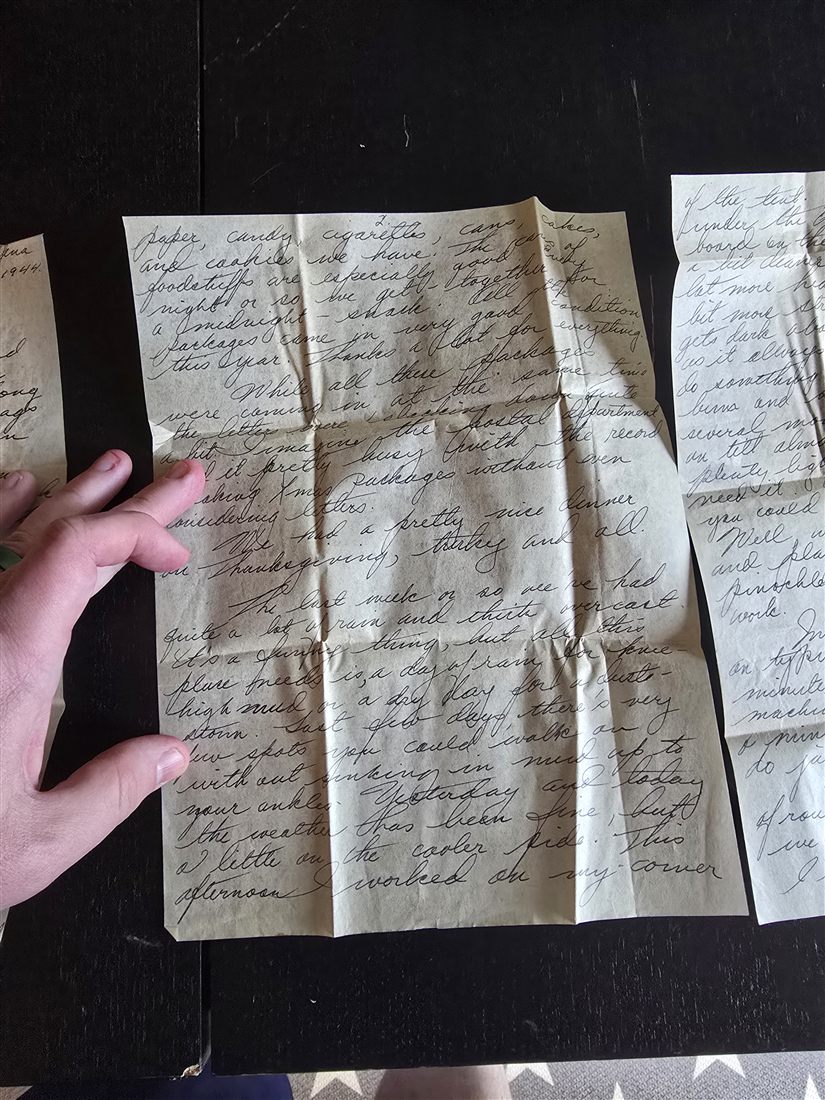
“Well, we settled down by a candle and played a couple hands of pinochle till it was time to go to work.”to Pop · 4 Dec 1944 · the generator was out again
“In our tent among the six of us we got something like 40 packages.”
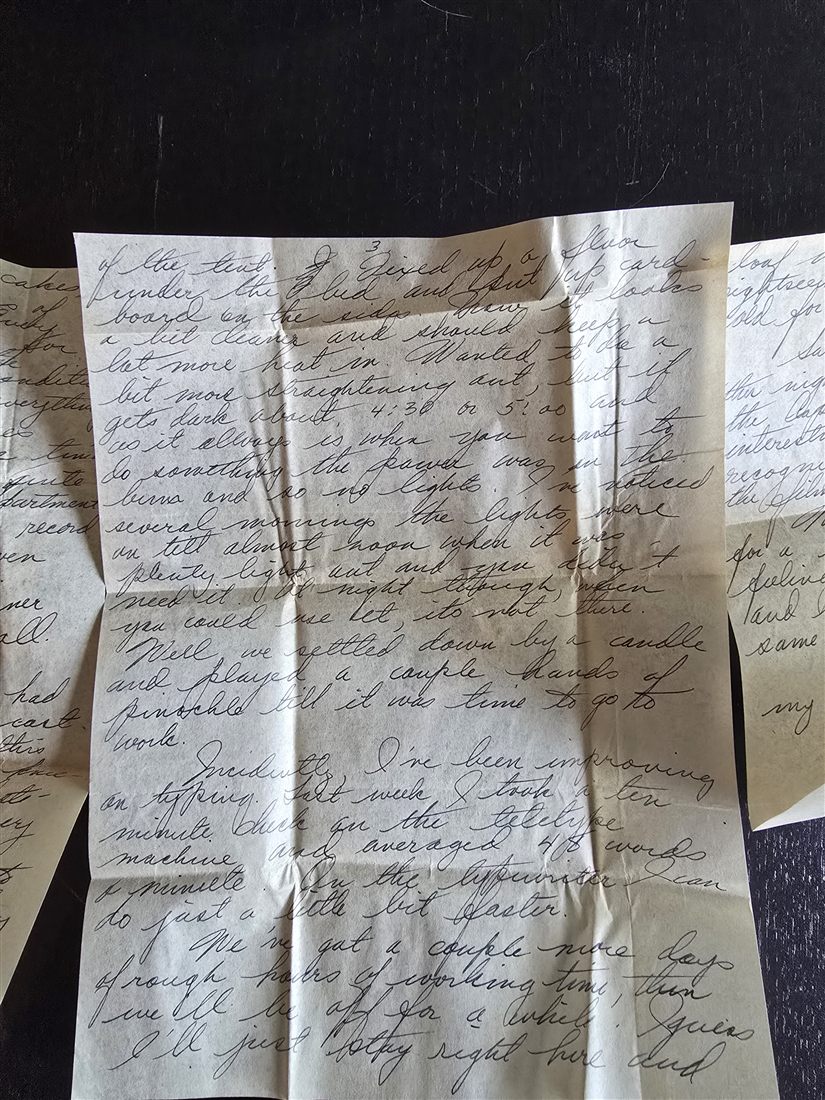
“Thanks a lot for the very nice Birthday card. It came the other day with the letter. It won't be long now before I'll be a full-fledged man of 21!”to Pop · 22 Feb 1945
“It kind of reminded me of the days we used to fill up our old model-T truck with dirt from the front yard and the driveway.”to Pop · 6 Apr 1945 · hauling sand for the tent floor
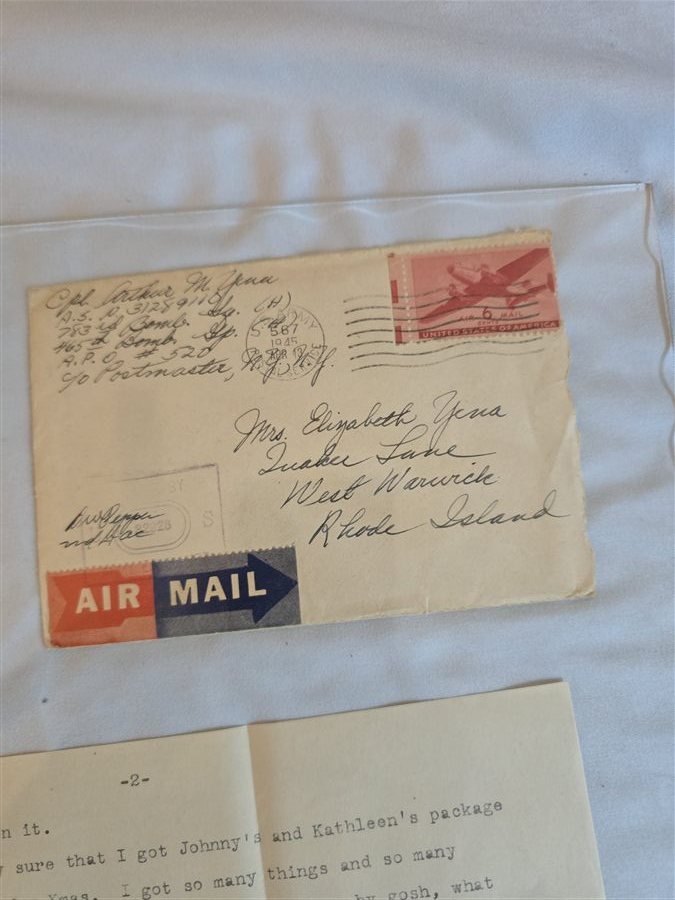
A rarity — he almost always wrote through Pop. This one went straight to her.
“Your swell Easter Card just came the other day. The bud from the Gardenia plant and the 2 dollars came all right too. Thanks a lot for everything!”to Mom · 7 Apr 1945 · a gardenia bud, mailed across the Atlantic
You've seen this envelope before — it's the one rising out of the box at the top of the page.
“This morning news confirmed Munich's fall. Also told about Mussolini's execution. Probably be hearing one of these days where Hitler will have the same happen to him.”to Pop · 30 Apr 1945
Written the day Hitler died. He didn't know.
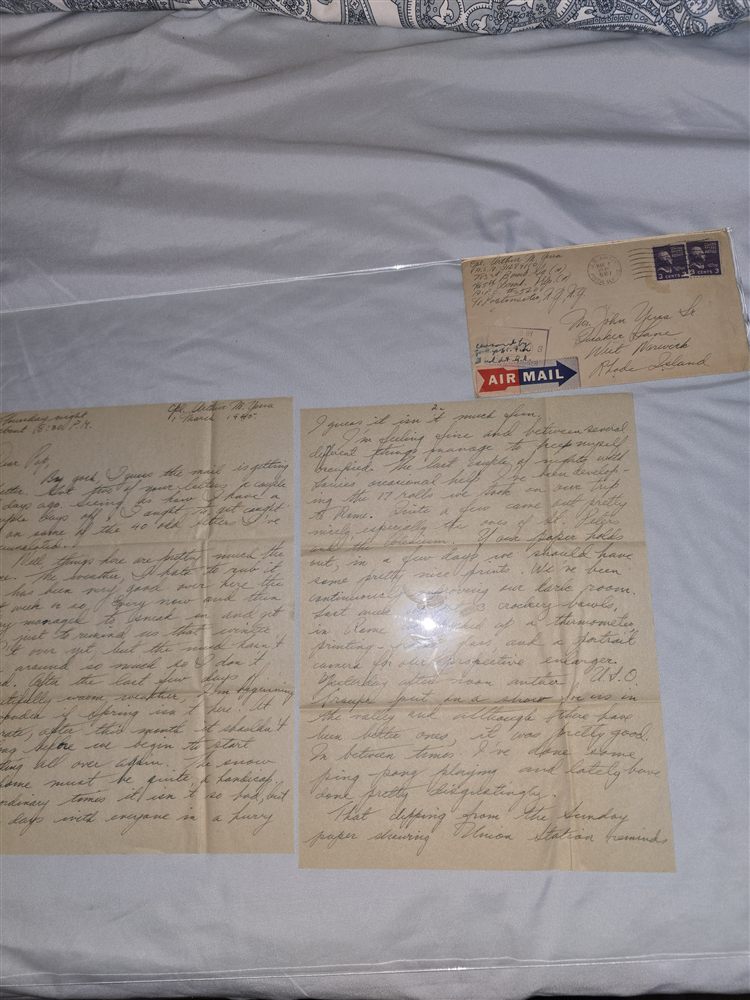
1 March 1945 · the photography letter — seventeen rolls of Rome film in a homemade darkroom
“With all the optimistic news on the fronts naturally a lot of rumors are going around. If you were to believe them all, you'd be in two places at the same time.”same letter · the rumor mill as the fronts collapse
“I read where Frankie "The Voice" Sinatra is over here. He is due in Foggia, about 5 miles down-road sometime this week. I'll be working no doubt.”to Pop · 26 Jun 1945 · after V-E, the long boredom begins
Interlude
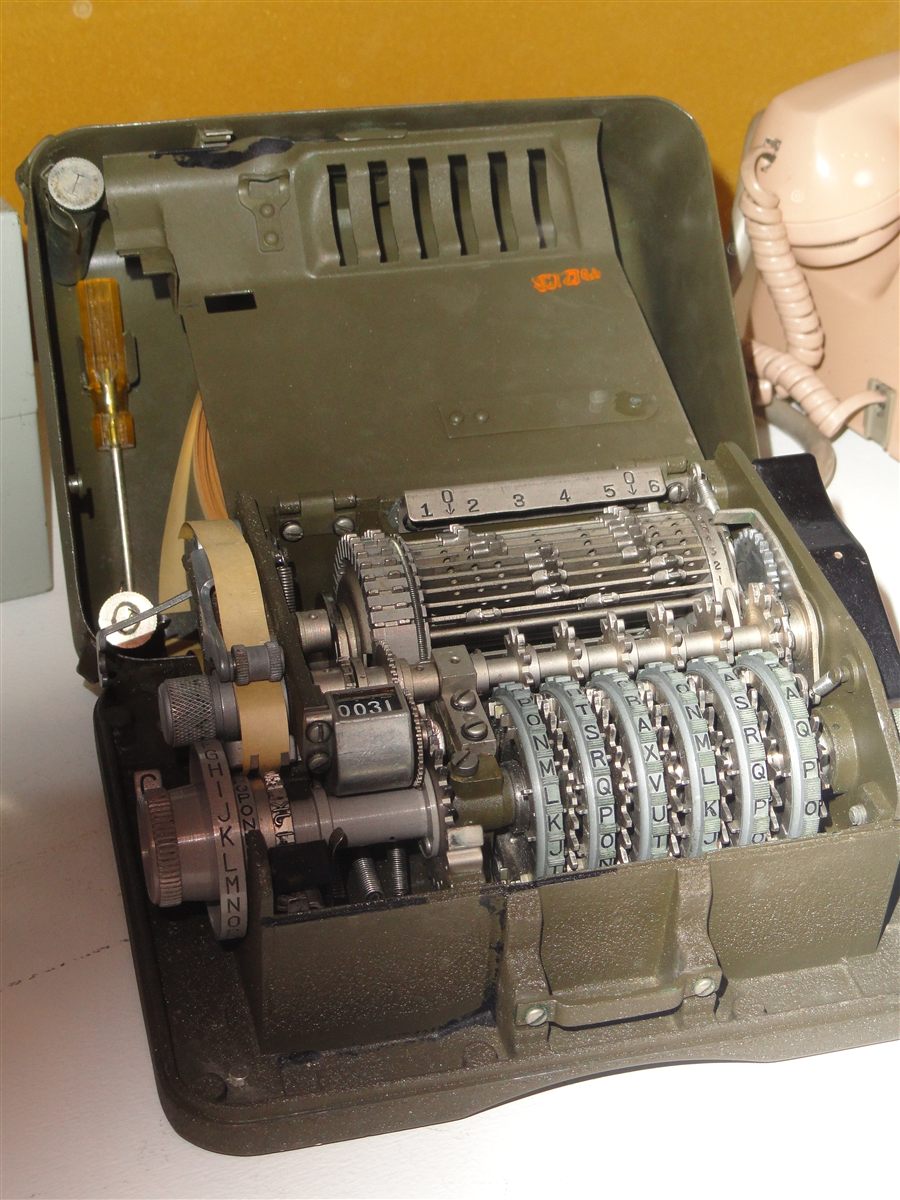
The cipher room
“Well, I just came on shift for the night. Rather than sit around waiting for it, or the work, to come in I figured I'd start off writing anyway.”10:00 P.M., 17 Mar 1945 · written from inside the night shift
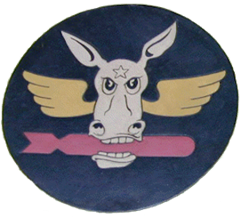
For two years he kept the oath. The letters talk about pinochle, packages, the weather — never the work. This is the work: the kind he could not name, among the machines and the airfield where he did it.
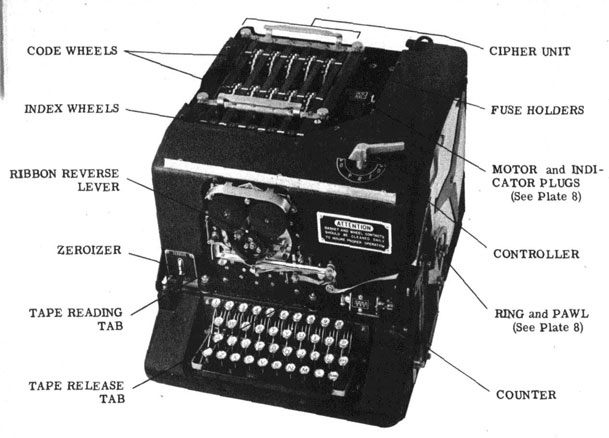
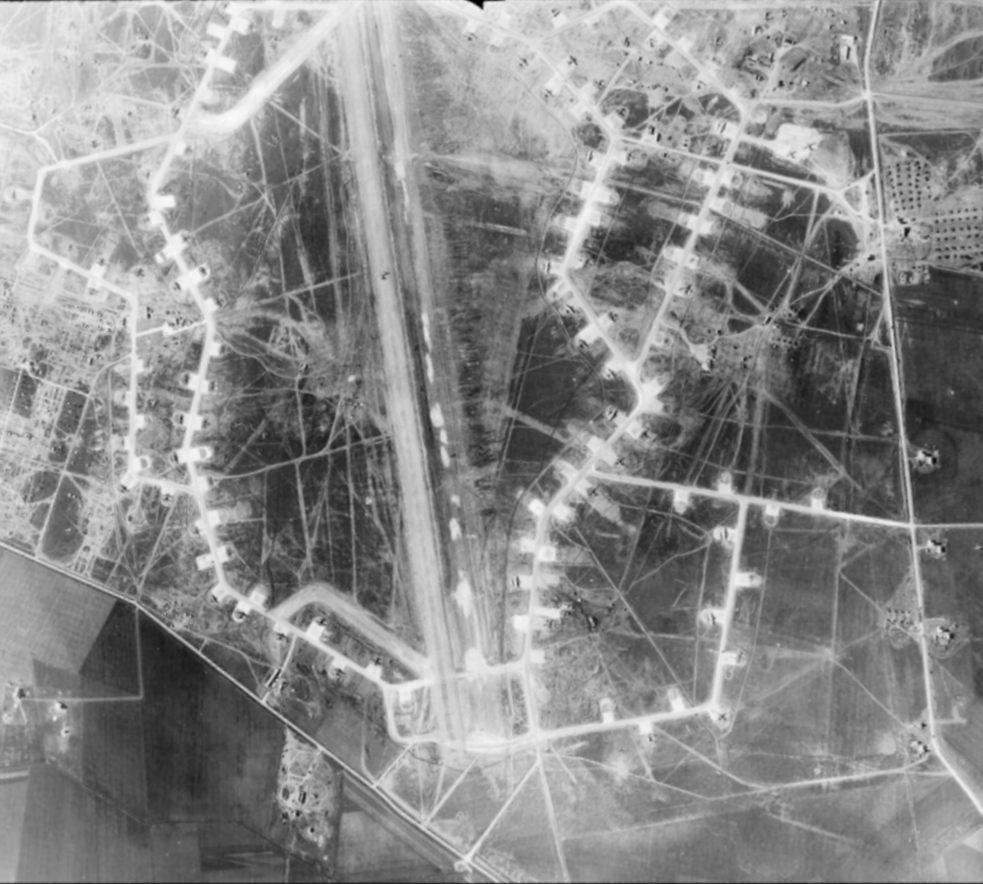
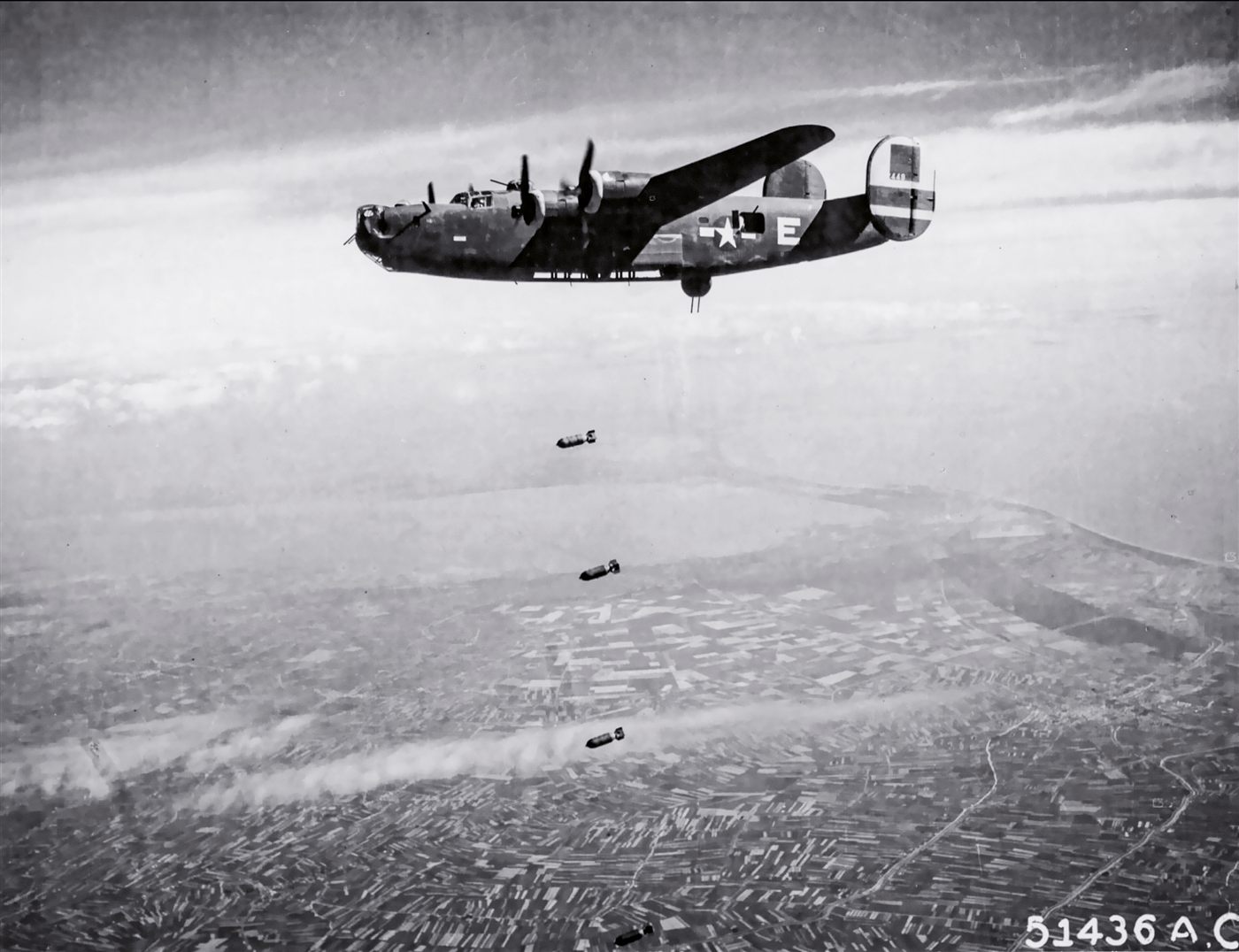


The listening shelf
His voice
The podcast · Episode one
Whatever That Is
The whole war in about fifteen minutes. A documentary narrator carries the story from a tenement on Quaker Lane to a cipher bench in Italy — and Pops himself, in his re-created voice, reads eighteen lines straight from the letters. The boy who washed out of gunnery school for his eyes, got handed cryptography with a shrug — “Intelligence School. Whatever that is.” — and turned the consolation prize into the work of his war.
The podcast · Episode two
Somewhere in Italy
Across the ocean, and into the war he could never describe. A Liberty ship to North Africa, then a cipher bench on the Foggia plain — where a censor read every letter and the work itself was secret. He bears a demotion he won't explain — “there is justice, but it just isn't administered sometimes” — writes his mother in Polish as the Red Army stalls outside the Warsaw he was born in, and waits out the long anticlimax after V-E Day until the orders finally come: “the main thing is, I'm on my way home.”
And the letters themselves — eight so far, each read aloud in that same re-created voice, built from 31:53 of family tape from the '80s and '90s with Susan's consent. Nothing plays until you press play. More will be chosen as the box is transcribed.
-
~2:14
-
~4:17
-
 ~2:58
~2:58
-
~3:20
-
 ~2:30
~2:30
-
 ~3:00
~3:00
-
~4:30
-
~2:43
“I've had these two stripes so long, they're just like a tattoo, permanent.”to Pop · 20 Jul 1945 · the promotion that never came
“If I don't get back home soon, I'll pass up the house without knowing it.”to Mom · 27 Jul 1945 · they were repainting the house
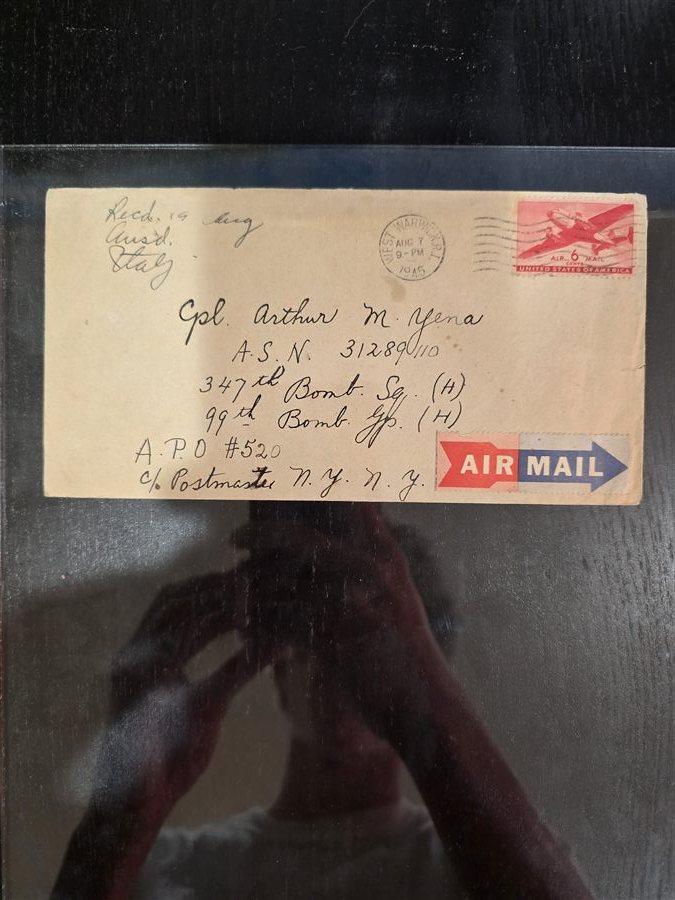
“Uncle Arthur I was scared the other day when an airplane came very low I sure thought it was going to land and you were coming out of it. but you did not.”from his young niece Kathleen · 2 Aug 1945 · her punctuation, kept
“By that time I'll have 2 years overseas service, and by that time, the war in the Pacific should be looking very nice.”to Pop · 4 Aug 1945 · two days before Hiroshima — the seven-page letter
“Even though my lips haven't touched alcohol since New Year 1940, I shall cast all resolutions aside to the winds and partake of the evil spirits in commemoration of your homecoming.”his brother Karl · 23 Aug 1945
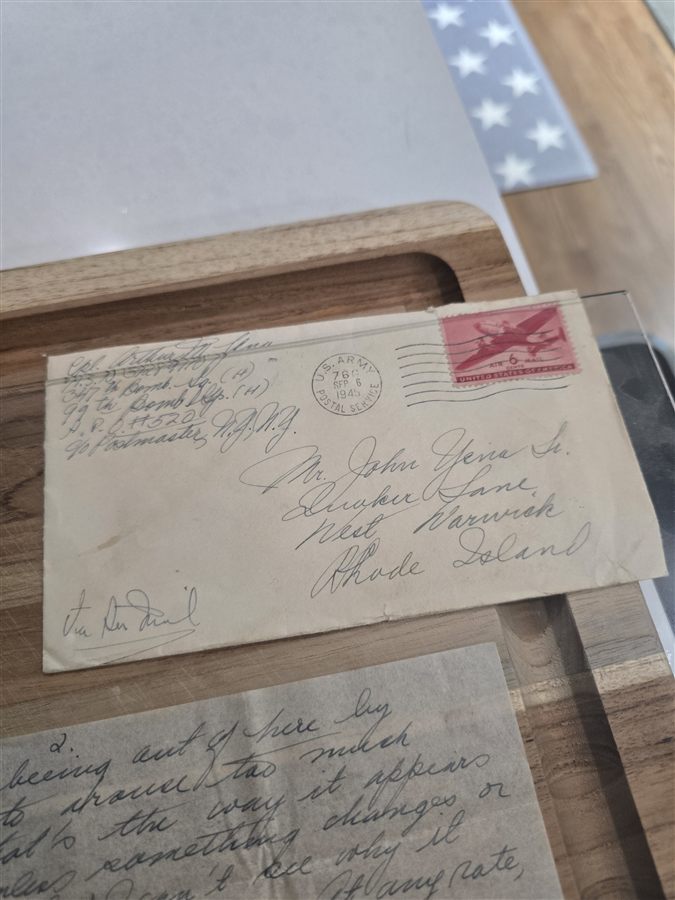
“Up at Wing at last the impossible has happened. I'm eligible for discharge.”to Pop · 4 Sep 1945 · don't send any Christmas packages
The star in the margin turns gold here. He's coming home.
The book he asked for
“Dear Pop” — the book, taking shape
In March 1943 he joked to Anna that they'd have to write a book after the war. Eighty-three years later, his great-grandson started it. Chapter One is drafted.
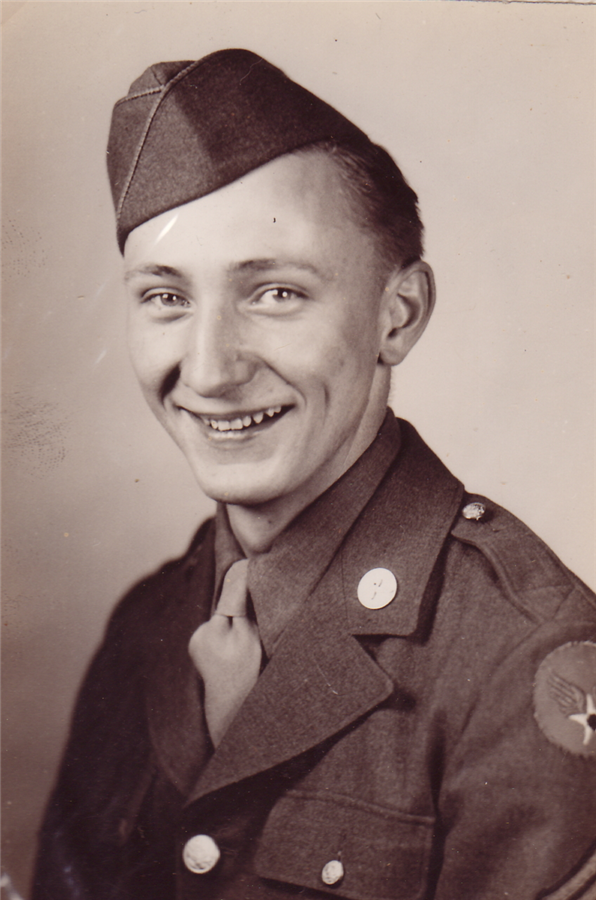
Cpl. Arthur M. Yena · the cover portrait
Part One · Chapter One · ~6,900 words · drafted
The Lace Mill on Quaker Lane
“You're doing pretty well in writing, as I said before, and for not having gone to school in the states the spelling is very good.” Arthur to his father · 6 April 1945
“Before I knew my grandfather had crossed an ocean to fight a war, I knew there was a letter missing from our family. You don't notice an absence the way you notice a thing; you inherit it, the way you inherit a surname or a jaw.”
- IThe triple-decker
- IIThe mill and the man who ran the loom
- IIIMom, and the grandmother who held the pen
- IVFour children and the older sister
- VThe silence from Warsaw
- VIPearl Harbor reaches Quaker Lane
- VIIArthur turns eighteen
- VIIIFort Devens, January 1943
It closes on his own words: “I always said our family would be air-minded.”
Ch. 2 — The Wash-Out
A boy who plans to fly, a desert gunnery school, and a pair of 20/30 eyes.
“…but I guess my eyes arn't quite good enough.”
Ch. 3 — Six Words a Minute
The unwanted consolation prize becomes the destiny.
“…an Intelligence School. Whatever that is.”
For the family
Help finish the box
The box is one-quarter open. Some of what's left needs hands, and some of it needs memories.
~251 letters still wait
Every envelope gets photographed, transcribed word-for-word, and added to the shelf. See where the work stands.
RememberThe questions only family can answer
Who held the pen for Ma? What happened to the Warsaw relatives? Dozens of open threads are waiting on memories.
BrowseAll 77 opened letters
The full index — every transcript, scan, and recording in one catalog you can search by year and recipient.

How it was made
Three hundred letters, his recreated voice, and a handful of AI tools — the whole project in about a minute.
Play the tour →Curious what a project like this takes? The honest ledger.
The last letter in the box
“When you get the chance why come up, but don't be worrying.”Ward P-18 · postmarked Newport, R.I. · 25 April 1946
A discharged veteran, an ambulance ride, civilian life just beginning — still reassuring his family the way he always had. It is the last letter anyone kept.
Love and stuff to all
Art.
Arthur M. Yena · Warsaw, 1924 — West Warwick, 2001